A cluttered kitchen can make even simple cooking feel like a daily scavenger hunt. When counters disappear beneath appliances and cabinets become crowded, finding what you need takes longer than it should. Smart kitchen organization can change that without requiring an expensive remodel. The trick is to make every inch work harder while keeping frequently used items easy to reach.
From overlooked cabinet doors and awkward corners to pantry shelves and refrigerator bins, small adjustments can create surprisingly useful kitchen storage. Whether you live in a compact apartment or a spacious family home, practical storage solutions can reduce visual mess, improve your cooking routine, and help maintain a genuinely clutter-free kitchen. With the right organizing ideas, even chaotic spaces can feel effortless.
Start With a Kitchen Decluttering and Organization System
Before buying another organizer, begin with kitchen decluttering. Empty one area at a time and separate useful items from duplicates, broken gadgets, expired food, and things you never reach for. These simple decluttering tips create room before any storage solution enters the picture.
Next, group similar items and create zones around your kitchen layout. Keep everyday dishes near the dishwasher, cooking tools near the stove, and baking supplies together. This creates efficient storage because every item has a logical destination and remains within easy access.
Maximize Kitchen Cabinet Storage
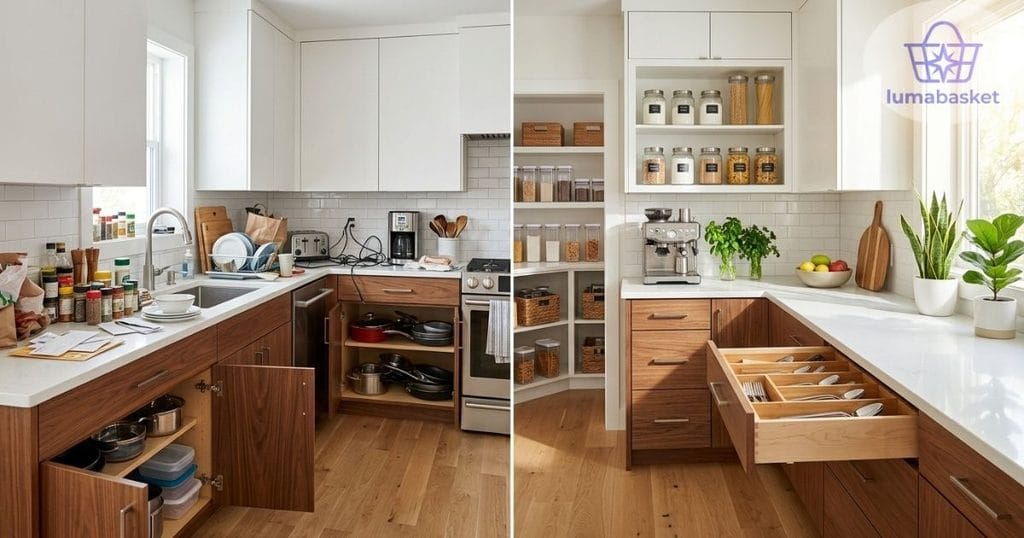
The biggest opportunity often hides inside kitchen cabinets. Add shelf risers to separate plates or bowls vertically. For deeper cupboards, pull-out shelves can bring forgotten items forward. These simple upgrades increase usable cabinet space without changing the room’s footprint.
Inside doors can become valuable storage surfaces too. Install door racks, hooks, or slim cabinet organizers for lids, measuring tools, wraps, and cleaning supplies. Meanwhile, shelf organizers can divide tall cabinets into practical levels instead of leaving empty air above shorter items.
Add Shelf Risers Before Adding More Cabinets
A simple riser can turn one shelf into two useful levels. Use tiered organizers for mugs, plates, cans, and small bowls. The trick is to measure first. A storage product only helps when it fits the cabinet and leaves enough clearance for comfortable daily use.
Make Kitchen Drawers More Functional
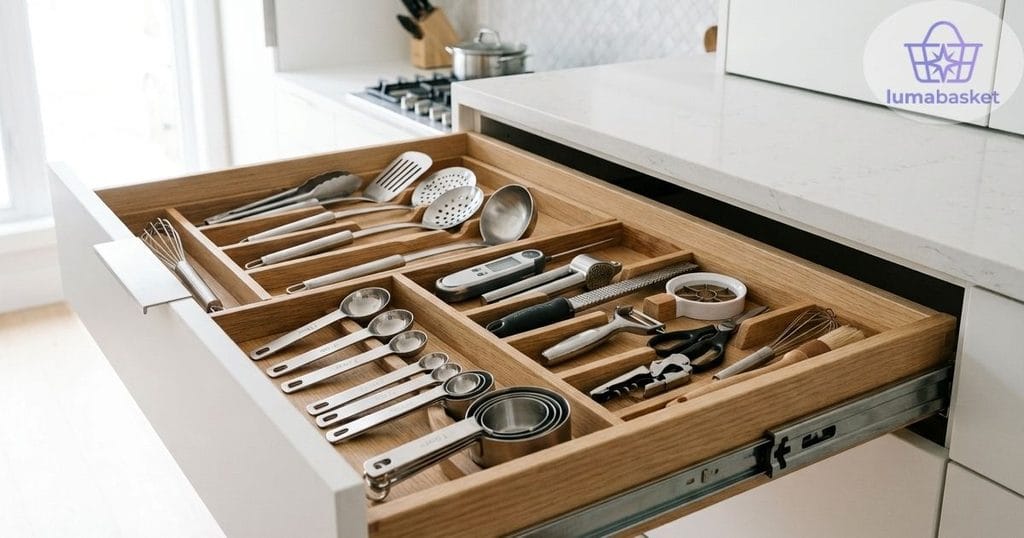
Drawers often contain plenty of drawer space, yet poor layouts make that space difficult to use. Start by removing duplicates and grouping utensils by purpose. Then add adjustable drawer dividers to separate cooking tools, measuring spoons, serving utensils, and everyday cutlery.
Deep drawers work especially well for vertical storage. Store trays, cutting boards, and baking sheets upright rather than stacking them flat. For smaller items, utensil organizers prevent wandering tools from forming a cluttered heap and make kitchen drawer organization much easier.
Give Food Containers and Lids Their Own Zones
A cabinet full of mismatched lids wastes time every day. Nest similar food containers together and file their lids vertically nearby. Stackable containers save even more room because they use height efficiently while keeping sizes visible.
Organize Your Pantry and Food Storage
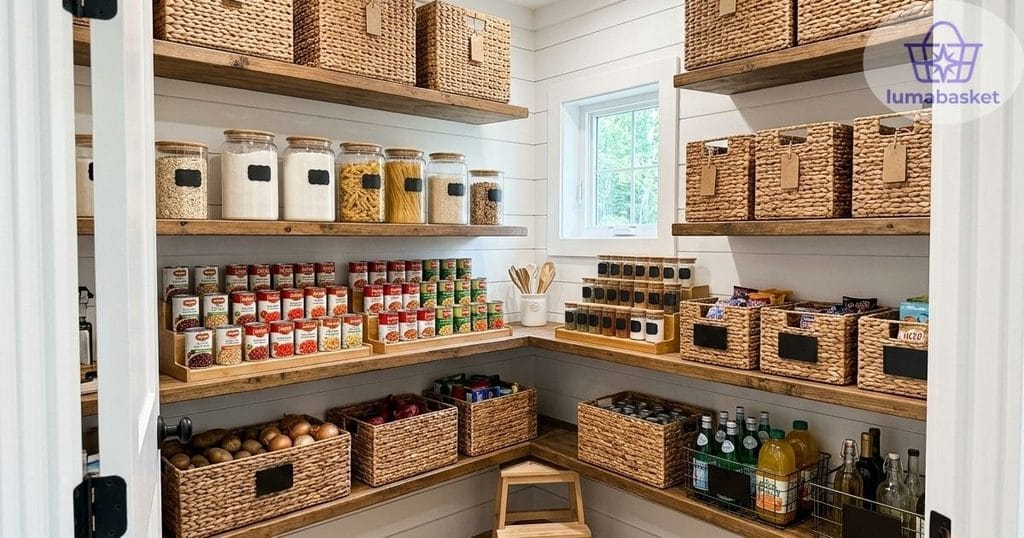
Good pantry organization makes grocery shopping easier because you can see what you already own. Create simple zones for breakfast foods, baking ingredients, snacks, grains, canned goods, and dinner staples. Keep frequently used products between eye and waist level for quicker access.
Clear storage also improves visibility. Clear containers, pantry bins, and labeled storage containers can turn chaotic pantry shelves into readable zones.
However, decant only foods that benefit from it. Original packaging may work better when cooking instructions, allergen information, or expiration details need to remain visible.
Use Turntables for Deep Pantry Shelves
A lazy Susan solves a common pantry problem: items hiding behind other items. Place one inside deep cabinets for sauces, oils, condiments, or baking supplies. A quick spin brings everything forward, which makes awkward corners far more useful.
Get Your Refrigerator and Freezer Under Control
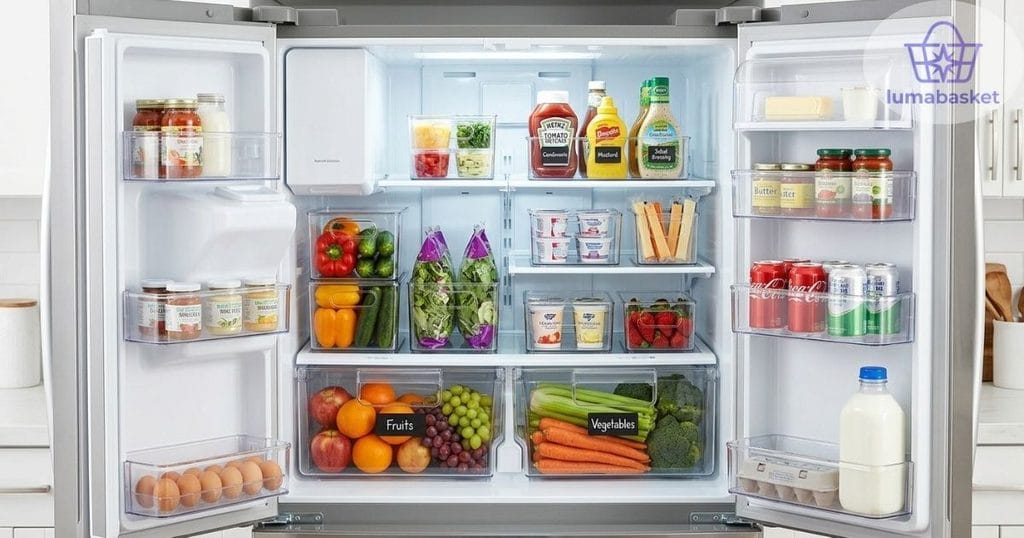
Smart refrigerator organization isn’t only about appearance. It also helps you notice food before it gets forgotten. Create broad zones for produce, dairy, leftovers, beverages, and condiments. Use refrigerator bins to group small packages and prevent shelves from becoming scattered.
For safe storage, the USDA recommends keeping a refrigerator at 40°F or below and a freezer at 0°F or below. Avoid packing the refrigerator too tightly because cold air needs room to circulate.
Use Food Labels and Dates Strategically
Food labels can make leftovers much easier to manage. Write the name and date on prepared foods, especially when several containers look alike. USDA guidance recommends using refrigerated leftovers within three to four days.
Find Smarter Ways to Organize Pots, Pans and Baking Sheets
Cookware becomes difficult when everything gets stacked into one heavy tower. Better pot and pan organization starts with separating pieces by size and frequency of use. Store everyday cookware closest to the cooking zone while moving specialty pieces into less accessible areas.
For vertical baking sheet storage, use dividers that let trays stand upright. Pan organizers can separate skillets without requiring a cabinet makeover. For pot lid storage, use a dedicated lid organizer or mount a rack inside a cabinet door.
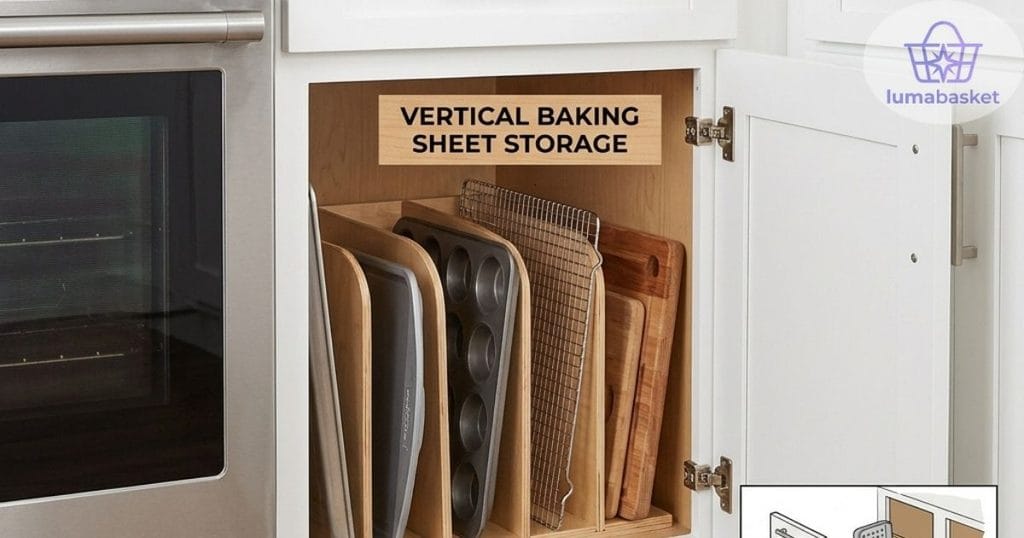
Store Baking Sheets Vertically
Vertical storage turns a pile into a filing system. You can grab one baking sheet without lifting six others first. This approach also works well for cutting boards, cooling racks, serving trays, and other flat cookware.
Create a Better Spice and Seasoning Storage System
Effective spice organization depends on visibility. If labels face backward or jars disappear behind larger bottles, you’ll keep buying duplicates. Arrange spice jars alphabetically, by cuisine, or by frequency of use. The best system is the one you can maintain.
A drawer works beautifully for a large spice collection because every jar can sit label-up. Cabinet shelves suit smaller collections. Spice racks and narrow risers help when vertical cabinet height remains unused. Choose the arrangement that matches your cooking habits.
Choose the Right Spice Storage for Your Kitchen
Don’t buy a large rack simply because it looks tidy. Measure the available cabinet or drawer first. A compact organizer often works better than a bulky system that steals valuable cabinet space from ingredients you use every day.
Make Your Kitchen Countertops Less Cluttered
Clear counters instantly make a kitchen feel larger. Begin countertop organization by deciding which appliances deserve permanent space. A coffee maker used every morning may earn its place. A waffle maker used twice a year probably doesn’t.
Create small stations instead of spreading related items everywhere. A coffee area can hold mugs, filters, pods, and accessories together. A cooking station can keep oils, seasonings, and frequently used tools nearby. This approach preserves countertop space while keeping the kitchen practical.
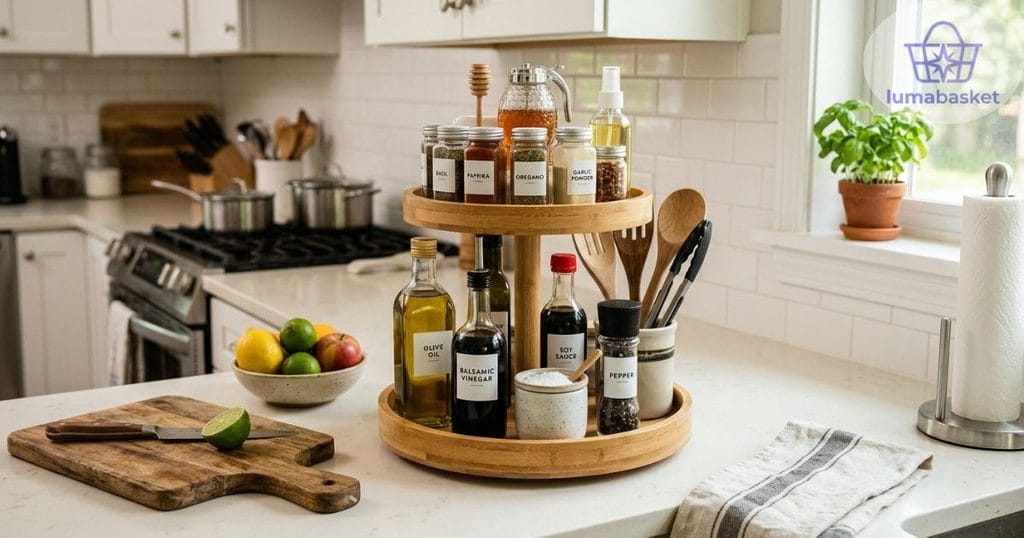
Use a Lazy Susan for Everyday Ingredients
A lazy Susan can corral oils, salt, pepper, honey, or sauces without creating a sprawling collection. Choose one with a raised edge so bottles stay secure. Round organizers work particularly well in corners where ordinary containers become difficult to reach.
Use Your Kitchen Walls and Vertical Space
When floor and cabinet areas are full, look upward. Vertical kitchen storage can transform unused walls into valuable working space. If you are refreshing the wall with a new color before mounting hardware, our free Paint Calculator helps estimate the exact paint and primer required. A pegboard can then hold utensils, pans, measuring tools, and lightweight accessories while keeping them visible.
For a cleaner look, use wall-mounted storage, floating shelves, or narrow rails. A magnetic strip can handle knives and small metal tools. These space-saving kitchen ideas work especially well when every inch of floor area already has a job.
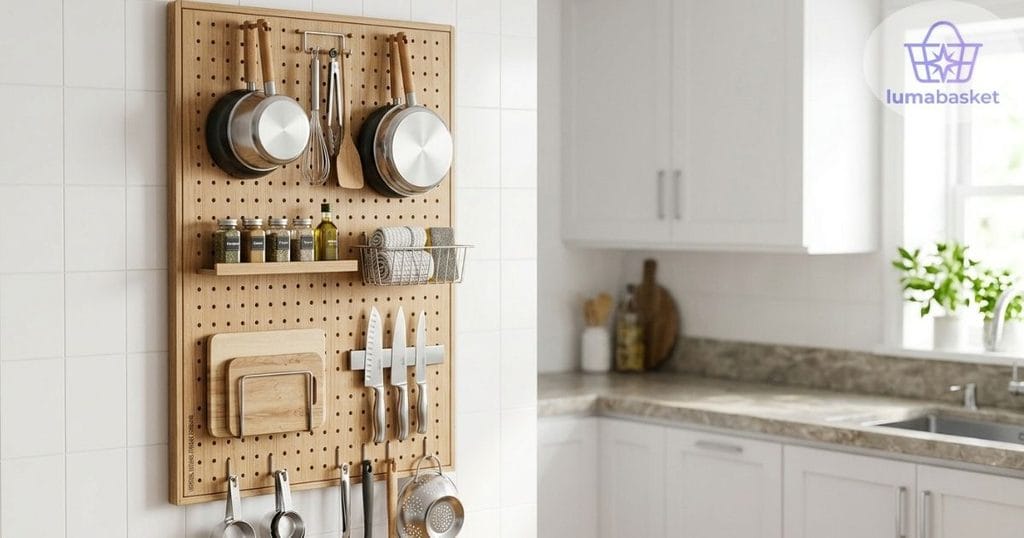
Create a Flexible Pegboard Wall
A pegboard is useful because its layout can change. Move hooks as your storage needs evolve. Keep heavier cookware on sturdy hardware and lighter tools on smaller hooks. This flexibility makes pegboards useful in kitchens that change with family routines.
Don’t Waste the Space Above and Around Your Cabinets
Unused areas often hide in plain sight. The sides of kitchen cabinets can hold slim racks, hooks, or magnetic storage. The space beside a refrigerator may fit a narrow rolling cart. These tiny zones can provide surprisingly useful kitchen storage.
Above-cabinet storage works best for attractive baskets and rarely used items. However, don’t turn this area into a dusty attic. Store lightweight pieces that you can safely reach and clean regularly. The goal is to reclaim unused space, not create more visual clutter.
Use the Side of the Refrigerator
The refrigerator side can become useful wall storage with a narrow magnetic rack or slim organizer. Store wraps, spices, notes, or lightweight kitchen tools there. Measure the gap first, especially when the refrigerator sits close to another cabinet or wall.
Make the Most of Your Kitchen Island
A kitchen island can do more than provide extra preparation space. Drawers can hold utensils. Shelves can store cookbooks or serving pieces. Deep cabinets can handle cookware and appliances. With thoughtful kitchen island storage, the island becomes a central storage hub.
If a permanent island isn’t possible, consider a rolling cart. It can provide additional preparation space and flexible kitchen storage solutions. Choose locking wheels when stability matters, especially in busy family kitchens.
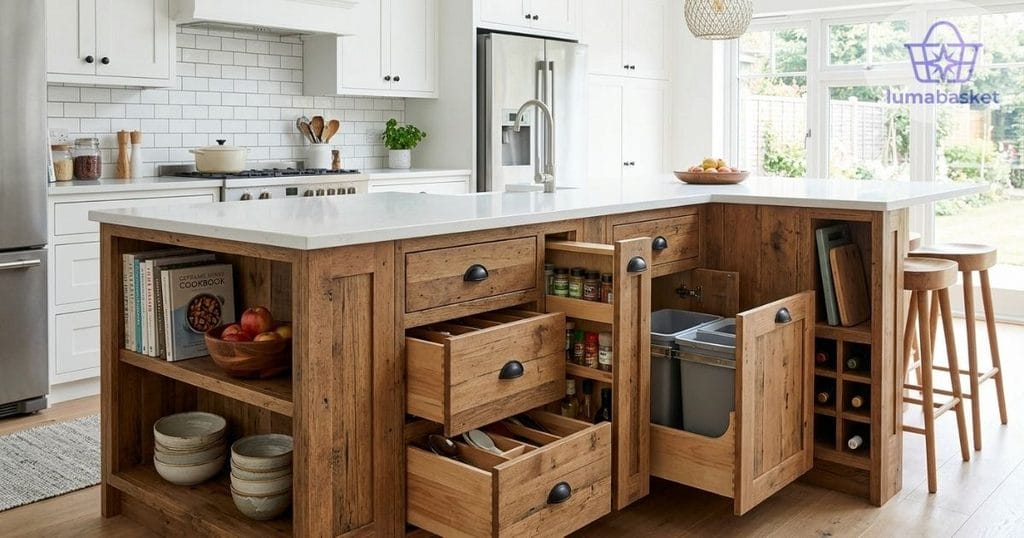
Turn Island Sides Into Useful Storage
The side of an island can support hooks, narrow shelves, or rails. Use these areas for towels, lightweight tools, or frequently used accessories. Keep walkways clear, though. Storage should never interfere with safe movement around the cooking area.
Organize Small and Awkward Kitchen Spaces
Small kitchens demand smarter decisions, not simply more stuff. Effective small kitchen organization begins by using vertical areas, narrow gaps, cabinet doors, and overlooked corners. A slim cart can fit between appliances while wall shelves can reclaim unused vertical space.
For small kitchen storage, choose products that serve more than one purpose. A bench can hide storage beneath the seat. A rolling cart can provide both preparation space and storage. These space-saving solutions help you make the most of small spaces.
Use Narrow Gaps for Storage
A gap only a few inches wide can sometimes accommodate a slim rolling cart. These units work well for spices, oils, canned goods, or cleaning products. Measure the opening carefully and check door clearance before purchasing anything.
DIY Kitchen Storage Ideas on a Budget
Good DIY kitchen storage doesn’t need expensive materials. Small boxes can become drawer dividers. A simple board can support hooks. An unused shelf can become a pantry station. The smartest projects often repurpose things already sitting around the house.
Budget projects work best when they solve one specific problem. Don’t build storage simply because an empty wall exists. Identify the clutter first, measure the available space using our utility tools and calculators to estimate room requirements without guesswork, then create a solution around the items that actually need a home.
Repurpose Household Items as Organizers
A sturdy shoe organizer can hold lightweight kitchen supplies behind a door. Small boxes can separate junk-drawer items. Glass jars can hold small baking accessories. Repurposing works particularly well when the goal is efficient storage without unnecessary spending.
Clever Kitchen Organization Ideas for Specific Items
Small storage problems can create surprisingly large headaches. Kitchen organizers work best when they address a precise need. Food containers need nesting. Lids need vertical filing. Cutting boards need dividers. Cleaning products need a contained zone. Matching the solution to the item keeps storage intuitive.
Think about the way each object moves through your routine. Items used together should live together. Cutting board storage belongs near food-preparation areas. Knife storage should remain convenient without blocking work surfaces. Dish storage should stay close to the dishwasher when possible.
Organize Appliance Attachments Together
Appliance accessories often disappear into unrelated drawers. Create a dedicated appliance storage zone instead. Keep mixer attachments, food-processor blades, and specialty parts together with the appliance or in a clearly labeled nearby container.
Best Kitchen Organization Products Worth Buying
The right kitchen storage solutions should solve a genuine problem. Useful products include cabinet organizers, drawer dividers, pull-outs, turntables, bins, and adjustable racks.
Avoid buying organizers simply because they look attractive online. Measure first and match each product to your actual storage habits.
| Kitchen Problem | Useful Solution | Why It Helps |
| Deep cabinets | Pull-out shelves | Brings hidden items forward |
| Crowded pantry | Tiered organizers | Uses vertical height |
| Messy drawers | Drawer dividers | Creates clear zones |
| Small refrigerator | Fridge bins | Groups similar foods |
| Limited wall space | Wall-mounted storage | Uses vertical areas |
| Crowded cookware cabinet | Pan organizers | Separates pans vertically |
| Cluttered counters | Storage bins | Groups loose items |
A product earns its place when it improves access, visibility, capacity, or maintenance. Otherwise, it may simply become another object that needs organizing.
Frequently Asked Questions About Kitchen Organization
Start with kitchen decluttering rather than buying products. Remove duplicates, expired food, broken tools, and rarely used gadgets. Then group what remains by category and assign each group a practical home. This creates an efficient kitchen before adding new storage.
Focus on vertical kitchen storage, cabinet doors, narrow gaps, wall shelves, and multifunctional furniture. Use height before adding floor furniture. A slim cart, pegboard, or wall-mounted rack can provide useful capacity without consuming much countertop space.
Use shelf risers, vertical dividers, pull-outs, and door-mounted racks. First measure the cabinet interior. Then choose shelf organizers that match its height and depth. Good kitchen cabinet organization improves access as much as capacity.
Keep appliances and tools you use frequently. Coffee makers, knife blocks, or everyday cooking tools may deserve permanent positions. Rarely used appliances should move into appliance storage. This simple rule protects your counters from slowly becoming a dumping ground.
Create a short reset routine after cooking. Return items to their assigned zones, wipe counters, and check the refrigerator regularly. Every few weeks, remove things that have accumulated without a purpose. A clutter-free kitchen depends more on small habits than dramatic cleaning sessions.
Yes, when they solve a real access or capacity problem. Kitchen organizers are most useful when they make items easier to see, reach, stack, or separate. However, a simple repurposed box can sometimes outperform an expensive product when the storage problem is small.
Final Thoughts on Creating a Clutter-Free Kitchen
A well-organized kitchen isn’t necessarily spotless or magazine-perfect. It simply works. The best kitchen organization hacks make everyday movements easier, reduce wasted space, and prevent clutter from returning. Start with the areas causing the most frustration, then improve one zone at a time.
The biggest gains often come from overlooked places: cabinet doors, deep drawers, wall areas, corners, refrigerator sides, and vertical gaps. For companion measurement and room planning utilities to support your home projects, explore our LumaBasket Tools Hub. Once each item has a sensible home, kitchen storage becomes easier to maintain. The result is a more functional kitchen that feels calmer every time you walk through the door.